
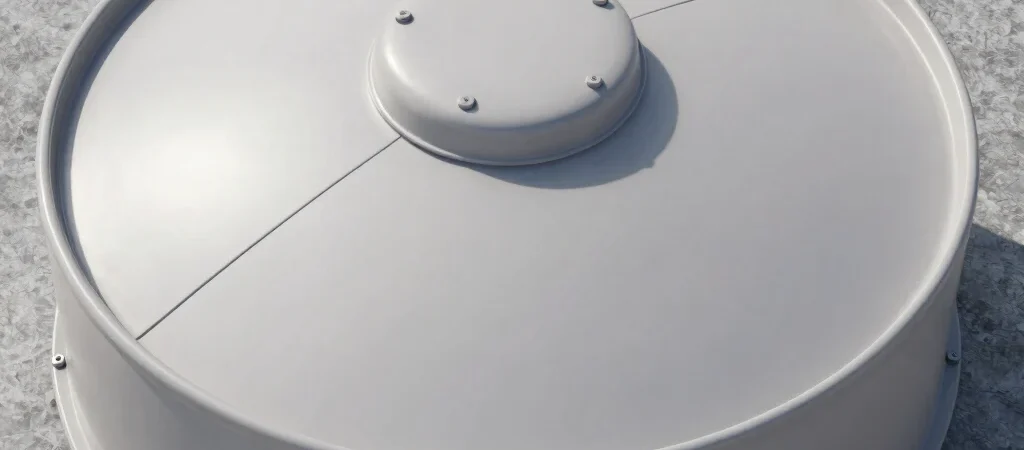
A replacement cover can seem like a simple measurement-and-purchase job until the opening shape, access needs, or weather exposure complicates the choice. Start with the tank you have, not a cover that merely looks close in a product photo. The cover is part of the tank’s protection, so fit and condition deserve a careful check.
Match The Opening First
Check the manufacturer’s information for the tank model and the intended cover dimensions. Measure the opening carefully, including its shape and any lip or raised rim that affects how the cover sits. A cover that rocks, leaves a gap, or cannot be secured as designed is a poor fit even if its listed size seems similar.
Look for compatibility with the tank material and the way the opening is built. If the tank has a dedicated access hatch or a specific fastening arrangement, choose a cover designed to work with it. When the model or dimensions are unclear, confirm them with the tank supplier or a qualified service provider rather than improvising.
Consider Access And Exposure
Think about how the tank is used and inspected. A cover may need to allow planned access for maintenance while still sitting properly when closed. For an outdoor tank, consider the local exposure to sun, rain, wind, and temperature changes, and follow the maker’s recommendations for suitable materials.
Do not block a designed vent or alter an access opening to make a cover fit. If the cover has a locking or fastening feature, check that it can be used as intended and does not interfere with routine inspection. The goal is a secure, compatible fit—not simply the heaviest or most complicated cover available.
Inspect Before Reusing
Before putting an existing cover back in place, look for cracks, warping, damaged edges, and worn fasteners. Check that it sits evenly and that the opening is clear of debris that could prevent a proper fit. A cover in visibly poor condition should be assessed and replaced with a compatible option.
Keep the tank model, opening measurements, and any manufacturer guidance with your maintenance notes. Those details make a future replacement less of a guessing game. A good cover choice begins with an accurate fit and ends with checking that the installed cover still sits as intended.